Garage Door Maintenance Checklist
Introduction to Garage Door Maintenance
Maintaining your garage door is crucial for ensuring its longevity, safety, and smooth operation. Regular garage door maintenance not only prevents unexpected breakdowns but also protects your home and family by keeping the door’s safety features in optimal condition.
Routine upkeep helps identify wear and tear early, reduces repair costs, and extends the lifespan of components such as springs, rollers, and the opener motor. Additionally, regular inspections guard against safety hazards by confirming that the automatic reverse mechanisms and sensors are functioning correctly. Whether you have a manual or automatic garage door, following a proper maintenance schedule is essential for peace of mind and reliable performance.
Essential Tools for Garage Door Maintenance
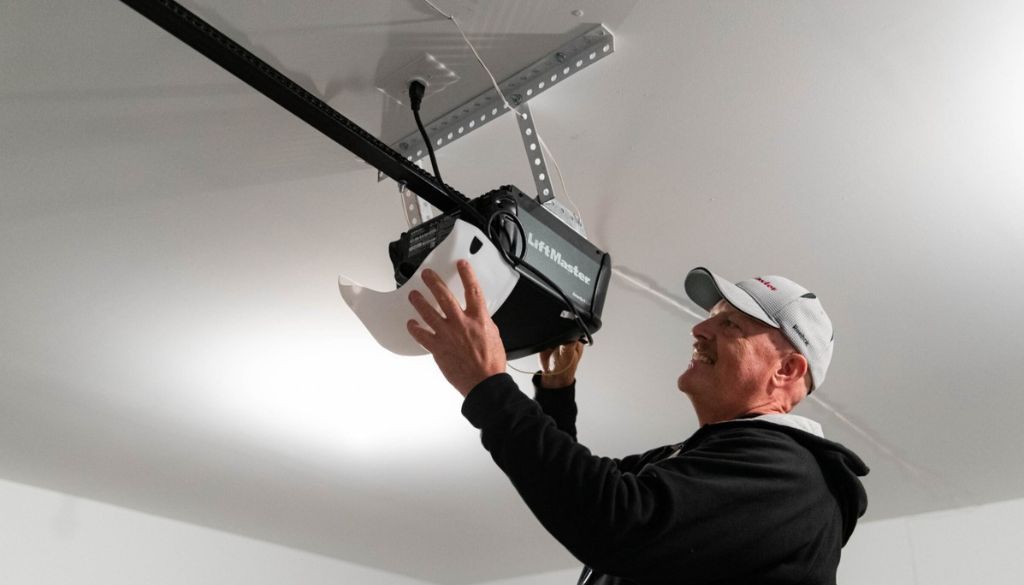
Before starting any maintenance, having the right tools on hand makes the process efficient and safe. Here are the essential tools to keep handy:
- Adjustment tools – including pliers, adjustable wrenches, and socket sets for tightening hardware and adjusting tension
- Lubrication spray – a silicone-based lubricant designed specifically for garage door parts
- Cleaning solution – mild detergent or a specialized garage door cleaner to remove dirt and grime from panels and tracks
- Screwdrivers – both flathead and Phillips types for loosening and tightening screws
- Rag or soft cloths – for cleaning and applying lubricants without damaging surfaces
Having these tools ready ensures you can perform a thorough inspection and tune-up with minimal hassle.
Weekly Garage Door Inspection Checklist
Performing weekly checks keeps your garage door in top shape and catches minor issues before they escalate. Focus on these key areas:
- Panel inspection: Examine door panels for dents, cracks, or warping that may affect balance and operation.
- Hardware tightening: Check and tighten loose bolts, nuts, and screws on hinges, brackets, and rollers.
- Door rollers check: Look for wear, flat spots, or damage that could cause noisy or jerky movement.
- Hinges condition: Inspect hinges for rust, bending, or misalignment impairing door function.
- Corrosion prevention: Clean metal parts and apply protective sprays to prevent rust buildup.
- Rust removal: Use a wire brush or sandpaper to remove rust spots and repaint if needed to protect metal surfaces.
Inspecting Garage Door Springs
Garage door springs bear significant stress and require vigilant care:
- Torsion spring maintenance: Visually inspect for gaps, rust, or signs of imminent failure; do not attempt to adjust yourself unless certified.
- Extension spring inspection: Check for fraying cables or worn ends and make sure safety cables are intact.
- Cable tension adjustment: Ensure cables on both sides have balanced tension to prevent uneven door movement.
- Vibration dampers: Confirm these are in place to reduce noise and wear caused by metal-on-metal contact.
Checking Door Rollers and Tracks
Proper roller and track condition is vital for smooth door operation:
- Track alignment: Inspect tracks for dents or misalignment that could derail the door or cause friction.
- Cleaning and lubrication of rollers: Remove dirt and debris, then lubricate rollers to enhance smooth rolling.
- Door stops condition: Check stops at track ends to prevent the door from moving beyond its limits.
- Garage door tracks cleaning: Wipe down tracks regularly to maintain a clear path free from obstructions.
Monthly Garage Door Maintenance Tasks
Monthly maintenance dives deeper into mechanical components and safety systems to maintain optimal performance:
- Opener motor inspection: Listen for unusual noises and check for overheating or excessive vibration.
- Remote control testing: Test all remotes and wall controls for responsiveness and battery life.
- Sensor alignment check (photo eyes): Confirm photoelectric sensors face each other correctly and are free of obstructions.
- Safety sensors functionality: Test sensors by placing an object in the door’s path to ensure automatic reversal activates.
- Automatic reverse test: Verify the door reverses immediately when resistance is met during closing.
- Lubrication of moving parts: Apply lubricant to rollers, hinges, springs, and other pivot points to minimise friction and wear.
Drive Mechanism Maintenance
Understanding the type of drive mechanism your garage door uses aids targeted servicing:
- Belt drive vs screw drive vs chain drive: Each has specific lubrication and adjustment needs; belt drives require less maintenance compared to chain drives, which need more frequent lubrication.
- Motor brushes inspection: Check brushes inside the motor for wear and replace if necessary to maintain smooth power delivery.
- Control board and wiring connections: Inspect for corrosion, loose wires, or damaged insulation affecting opener function.
- Power supply checks: Ensure electrical outlets and cables supplying power to the opener are secure and free of damage.
Weatherproofing and Seals
Maintaining weather seals improves insulation and protects garage interiors from drafts and moisture:
- Weather seals condition: Inspect bottom, side, and top seals for cracks, brittleness, or gaps and replace if deteriorated.
- Threshold seal maintenance: Clean and repair the threshold seal to ensure a snug fit against the door bottom.
- Insulation checks: Examine panels for adequate insulation to improve energy efficiency and temperature regulation inside your garage.
Safety Features and Emergency Preparedness
Garage doors include critical safety features that must be tested regularly:
Our Sponsor
A1 Garage Doors Gold Coast
A1 Garage Doors Gold Coast is a Bundall-based garage door specialist serving the southern Gold Coast and surrounding suburbs with installation, repair, maintenance, and emergency garage door services. The company specializes in sectional doors, roller doors, garage door openers, spring and cable replacement, opener motor repair, smart-enabled installations, and 24/7 emergency call-outs across Robina, Burleigh Heads, Surfers Paradise, Nerang, Coomera, and the wider Gold Coast region.
Address:
1 Waterford Court,
Bundall,
QLD
4217,
Australia
Phone: (07) 5515 0277
Business Hours:
- Open 24/7 — Including After-Hours and Emergency Call-Outs
Follow Us:
- Manual release operation: Practice disengaging the door from the opener using the emergency release cord to ensure smooth manual operation.
- Emergency release testing: Confirm the release mechanism works easily and safely in power outages or malfunctions.
- Keypad entry function: Test keypad codes and buttons to ensure secure and reliable access.
- Locking system check: Examine locks for proper engagement and ease of use.
- Garage light maintenance: Replace burnt-out bulbs and clean fixtures to maintain adequate lighting.
- Battery backup testing: If your opener includes a battery backup, test it monthly to confirm it functions during power failures.
Noise Reduction and Smooth Operation Tips
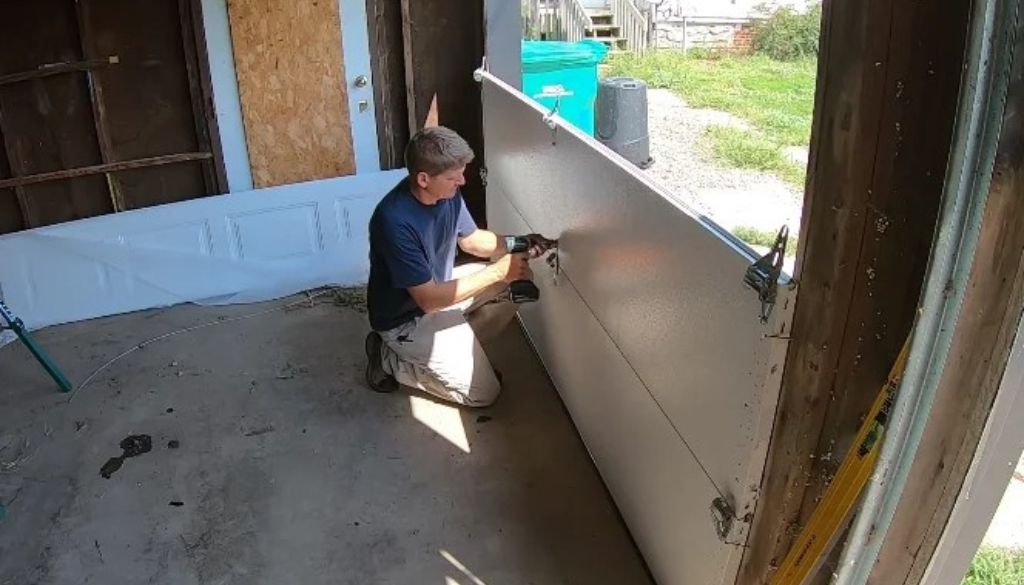
Minimising noise and ensuring smooth door function improves your garage experience and prolongs component life:
- Lubrication points for noise reduction: Focus on hinges, rollers, springs, and tracks with quality silicone or lithium-based lubricants.
- Vibration dampers benefits: These absorb vibrations and reduce wear on springs and mounting hardware.
- Adjusting opener settings: Set force and speed controls properly to avoid excessive strain and noisy operation.
Creating a Garage Door Maintenance Schedule
Organising your maintenance tasks ensures nothing is overlooked throughout the year:
- Frequency recommendations: Conduct visual inspections weekly, perform detailed mechanical checks monthly, and schedule professional maintenance annually.
- Record keeping and inspection checklist template: Maintain a simple log sheet noting dates of inspections, tasks performed, and any repairs done for accountability and reference.
Common Garage Door Problems and How to Fix Them
Awareness of typical issues helps you troubleshoot or decide when to call a professional:
- Squeaky noises: Usually solved by cleaning and lubricating hinges and rollers.
- Door not opening/closing properly: Could be due to misaligned tracks, sensor faults, or torsion spring problems.
- Sensor misalignment: Adjust photo eyes until indicator lights show correct alignment.
- Spring wear and replacement signs: Noticeable gaps in torsion springs or frayed cables indicate replacement is urgently needed by an expert.
FAQ
How often should I perform garage door maintenance?
Basic inspections are recommended weekly, mechanical maintenance monthly, and professional servicing once a year to ensure safety and reliability.
What can happen if I neglect garage door maintenance?
Neglecting maintenance can lead to premature wear, malfunction, costly repairs, security risks, and potential safety hazards like door falls or failures.
How do I know when to replace garage door springs?
If you notice visible gaps, severe rust, or if the door feels heavy and unbalanced, it’s time to have the springs professionally inspected and replaced.
Can I safely lubricate my garage door myself?
Yes, with appropriate lubrication products and by following safety guidelines, you can safely lubricate most moving parts except springs which require specialised handling.
What are the safety features I should regularly test?
Test the automatic reverse function, safety photo eyes, emergency manual release, and keypad entry routinely to keep your garage door garage door replacement A1 Garage Doors Gold Coast safe and functional.
How do I fix a noisy garage door?
Clean and lubricate rollers, hinges, and tracks; check for worn parts and tighten loose hardware to reduce noise effectively.
Is it necessary to adjust garage door opener settings regularly?
Yes, periodic adjustments to force and travel limits help the opener operate smoothly and prevent excessive wear or safety issues.
What should I do if the automatic reverse isn’t working?
Check sensor alignment and cleanliness first. If the problem persists, consult a professional technician to inspect the opener’s safety systems.
Conclusion
Following a comprehensive garage door maintenance checklist is essential for safeguarding your home, enhancing door longevity, and ensuring safe daily operation. By integrating weekly and monthly inspections with routine lubrication, hardware tightening, and system tests, you can prevent unexpected failures and expensive repairs. Keep your garage door running quietly and reliably by staying consistent with your maintenance schedule, paying close attention to springs, rollers, tracks, and safety sensors. When in doubt, consult a qualified technician to handle complex repairs or replacements safely. Start implementing this checklist today to enjoy a smooth and secure garage door for years to come.