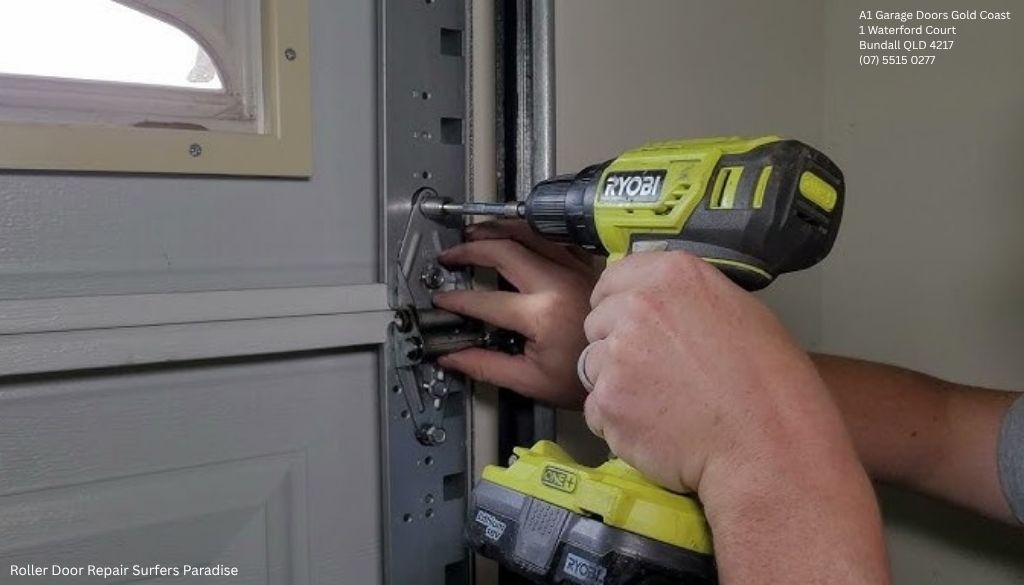
3 Reasons Your helensvale A1 Garage Doors Gold Coast Is Broken (And How to Fix It)
How to Balance Garage Door Effectively?
Maintaining a balanced garage door is essential for its safety, smooth operation, and longevity. Whether you're a seasoned DIY enthusiast or a new homeowner, understanding how to balance your garage door can save you time and money while ensuring reliable performance. This comprehensive guide will walk you through the importance of garage door balance, the types of springs involved, testing methods, adjustment steps, and vital safety precautions to keep your garage door functioning perfectly.What is a Balanced Garage Door and Why is it Important?
A balanced garage door refers to a door system where the door weight is evenly supported by its counterbalance mechanisms, including the garage springs and cables. This balance allows the door to open and close smoothly with minimal effort, whether manually or via a garage door opener. Proper garage door balance not only enhances door operation but also preserves garage door stability, reduces door sagging, and prevents undue strain on the lifting mechanism components.
When the door is balanced, it minimizes wear on garage door hardware such as roller wheels, hinges, and the cable drum. An unbalanced door often becomes difficult to operate, potentially leading to jerky movements, increased garage door noise, or failure of components like the spring system and cable tension. Beyond inconvenience, imbalance poses serious safety risks, including sudden door drops and damage to the garage door frame or opener.
What Are the Types of Garage Door Springs and Their Role in Balancing?
Garage doors commonly use two primary types of springs for counterbalance: torsion springs and extension springs. Both spring types play a crucial role in offsetting the door weight to facilitate smooth lifting and lowering.
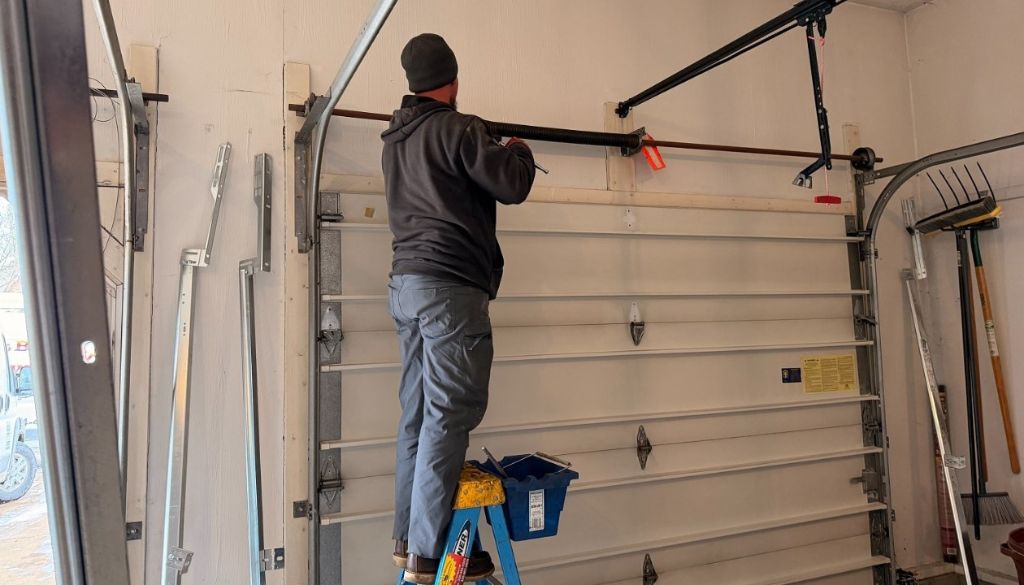
Torsion springs are mounted above the closed door on a metal rod called a drum shaft. These springs twist to store energy, and their tension is adjustable through a component known as the winding cone. Proper spring tension ensures the garage door panels move evenly without excess strain. Torsion springs generally have a longer spring lifespan but require careful adjustment.
On the other hand, extension springs are located along the sides of the garage door tracks. They stretch and contract as the door moves. Adjusting the tension of extension springs involves repositioning cables or hooks to maintain the proper balance. Both spring types must match the door weight and be regularly inspected for wear to avoid spring replacement needs prematurely.
How to Perform a Basic Garage Door Balance Test?
Performing a garage door balance test helps you assess if the garage door is properly aligned and ensure the spring tension is adequate. Here’s a simple method:
- First, locate and pull the manual release cord to disconnect the garage door opener from the door, allowing manual operation.
- Lift the door slowly until it is halfway open (about halfway between fully closed and fully open).
- Release the door gently and observe its position.
If the door remains in place without moving up or down, it passes the balance test. However, if it falls quickly or rises unexpectedly, this indicates an imbalance requiring spring adjustment. Additionally, check door level across the garage door height and inspect for any sagging or unevenness, which can signal issues with the cable tension or hardware.
What Are the Steps to Adjust Garage Door Springs Safely?
Adjusting garage door springs is a delicate task that directly affects door safety and function. Follow these steps carefully:
- Secure the door: Ensure the garage door is fully closed and use locking pliers or clamps on the tracks to prevent accidental movement.
- Disconnect the opener: Use the manual release mechanism to disengage the electric motor from the door.
- Use proper tools: For torsion springs, use specially designed winding bars inserted into the winding cone to adjust spring tension gradually.
- Adjust spring tension: Carefully add or release tension by turning the winding cone in small increments. For extension springs, adjust the cable hooks or tensioners accordingly.
- Wear safety gear: Gloves and eye protection are essential when handling high-tension spring systems.
- Check safety cables: Ensure safety cables are installed and intact to contain broken springs safely in an emergency.
- Test balance: After each adjustment, perform the balance test to verify improvements.
Due to the risk of injury from the high tension in springs, if you are not confident with these procedures or lack specialised tools, it is highly recommended to seek professional garage door service.
How Do Garage Door Cables, Pulleys, and Rollers Affect Balance?
The garage door lifting mechanism relies heavily on well-maintained cables, pulleys, and rollers to maintain proper garage door balance.
Door cables run from the bottom of the door to the cable drum attached to the torsion spring system. These cables bear the door weight and transfer spring tension to lift the door. Any fraying or slack in the cables can disrupt cable tension and cause imbalance.
The pulley system and roller wheels allow the door to glide smoothly along the metal tracks. Worn or damaged rollers create friction points making door operation stiff and increasing wear on springs and cables. Hinges that are loose or rusted also contribute to misalignment and imbalance.
helensvale A1 Garage Doors Gold CoastRegular lubrication of the garage door tracks, rollers, and hinges reduces garage door noise and enhances smooth movement, contributing significantly to maintaining balance and overall system health.
When to Call a Professional for Garage Door Balancing?
While many homeowners perform basic maintenance, there are times when professional garage door service is necessary:
- If your garage door remains unbalanced after preliminary adjustments or balance tests.
- When springs appear damaged, noisy, or if your springs have reached their typical lifespan of 7-10 years.
- If you are unfamiliar with spring winding cones, proper tensioning methods, or lack required tools.
- When cables show signs of wear or are out of alignment affecting door stability.
- Any instance where the garage door sags, doesn’t stay open halfway, or shows uneven movement.
Professionals conduct thorough safety inspections, use specialised equipment to adjust or replace springs, and ensure that all garage door hardware complies with safety brackets and cable anchor standards, maximising door safety and longevity.
How to Maintain Your Garage Door to Preserve Its Balance?
Consistent garage door maintenance is key to preserving balance and preventing costly repairs. Implement these practices regularly:
- Lubricate torsion springs, roller wheels, hinges, and metal tracks using suitable garage door lubricant.
- Tighten loose bolts, brackets, and other garage door hardware to prevent shifting components that may affect balance.
- Clean and inspect the garage door tracks for debris or dents; align any metal tracks as needed to ensure smooth roller motion.
- Check weather seals and garage door insulation to protect the door materials from moisture damage and warping.
- Replace any worn or frayed door cables promptly.
- Periodically test garage door sensors, automatic reverse features, and the door lock system for safety compliance.
These preventative measures increase spring lifespan, maintain proper spring tension, and safeguard all moving parts essential to balanced garage door operation.
What Safety Precautions Should Be Taken During Garage Door Adjustment?
Garage door spring and hardware adjustment poses significant risks due to high tension forces and moving parts. Always follow these safety precautions:
- Use only winding bars specifically designed for adjusting torsion springs; never substitute with screwdrivers or pliers.
- Wear protective eye goggles and gloves at all times when performing spring adjustments.
- Secure the door firmly using clamps or C-clamps on the tracks before beginning any work.
- Verify that safety cables are installed and intact, as they prevent dangerous spring projectiles if springs break.
- Keep children, pets, and bystanders away from the work area during adjustments.
- After adjustments, test the door sensors and automatic reverse features to ensure proper functionality.
- Never attempt spring replacement or major spring tension adjustments without adequate knowledge or tools; consider hiring an expert technician.
How Weather and Environmental Factors Affect Your Garage Door Balance
Weather conditions and environmental exposure can significantly influence garage door balance and longevity. Temperature fluctuations cause metal components such as torsion springs and cables to expand and contract, potentially altering spring tension and cable tightness.
Humidity and moisture can lead to rust formation on garage door hardware, including hinges, roller wheels, and metal tracks, increasing friction and hindering smooth door operation. Prolonged exposure to sunlight and temperature extremes may warp garage door panels or degrade weather seals and insulation, resulting in uneven door weight distribution.
To mitigate weather impact, regularly inspect and replace weather seals, apply rust-preventative sprays on metal components, and ensure garage door insulation is intact. These practices protect garage door materials and maintain proper garage door alignment and balance year-round.
Recommended Tools and Equipment for Spring Tension Adjustment
For safe and effective spring tension adjustment, having the right tools is vital. Essential tools include:
- Winding bars: Specifically designed steel rods that fit into torsion spring winding cones to safely add or release tension.
- Socket wrench: For loosening or tightening bolts on brackets or cable anchors.
- Tension gauge: Useful in some advanced setups to measure spring tension accurately.
- Ladder: Stable ladder with appropriate height to access torsion springs and the drum shaft safely.
- Protective gear: Safety goggles, gloves, and non-slip footwear to prevent injuries.
Using the correct tools ensures precise spring adjustment, improves safety, and prolongs garage door component lifespan. Avoid improvised tools as they may lead to accidents or improper adjustments.
Checklist for Pre-Adjustment Inspection of Garage Door Hardware Components
Before you begin any spring tension adjustment, conduct a thorough inspection of the garage door hardware to identify potential issues:
- Check for visible damage on garage door springs, including gaps or corrosion.
- Inspect hinges and roller wheels for wear and ensure they spin freely.
- Examine metal tracks for dents, bends, or misalignment.
- Inspect door cables and cable anchors for fraying or slack.
- Verify that safety cables and brackets are secure and undamaged.
- Check door stops and ensure the garage door sensors and automatic reverse mechanisms are functioning properly.
- Assess the door level and look for sagging garage door panels.
Addressing these items ahead of spring adjustment reduces risk and ensures smoother garage door maintenance.
Overview of Garage Door Opener Torque Settings in Relation to Door Balance
The garage door opener’s electric motor and its torque settings are designed to complement the garage door’s balance. A well-balanced door requires less force to lift and close, which reduces strain on the opener’s motor and prolongs its service life.
When a garage door is unbalanced, the opener must work harder, increasing garage door noise, accelerating wear on internal gears, and risking premature failure. Modern garage door openers come with adjustable torque settings that can be calibrated to match the door’s weight and balance condition.
Regularly checking and maintaining garage door balance ensures that torque settings remain optimal, improving the reliability of remote control operation and protecting garage door keypad security systems involved in automated entry.
FAQ – Common Questions About Balancing Garage Doors
1. What happens if my garage door springs are not balanced?
Unbalanced springs cause uneven door operation, making the door difficult to lift manually or through the opener. This condition increases stress on the garage door opener, accelerates spring wear, and poses safety hazards such as sudden door drops or failure of the lifting mechanism.
2. Can I balance my garage door without professional tools?
Basic balance tests can be performed without tools, such as manually releasing the door and observing its movement. However, adjusting torsion springs safely and effectively requires specialised winding bars and safety equipment, so professional tools are recommended for spring tension adjustment.
3. How often should I check the balance of my garage door?
It is advisable to conduct a garage door balance test every six months or during routine garage door maintenance sessions. Regular checks help detect early signs of imbalance before they escalate into costly repairs.
4. Is it dangerous to adjust garage door springs myself?
Yes, garage springs are under extremely high tension and can cause serious injury if handled improperly. Unless you have proper training, tools, and experience, it is safest to hire a professional for spring adjustments or replacements.
5. How does door weight affect spring tension and balance?
Heavier garage doors require springs with higher tension or stronger specifications to offset the additional door weight. Matching spring strength and tension correctly to door weight is essential to achieving proper garage door balance and ensuring smooth operation.
6. What are the signs of a poorly balanced garage door?
Common signs include difficulty lifting the door manually, door sagging or uneven height across panels, loud or unusual noises during operation, jerky or slow door movement, and the door failing to stay open when lifted halfway.
7. How do automatic openers compensate for door imbalance?
Automatic garage door openers feature adjustable force and torque settings to assist with opening unbalanced doors. However, relying on the opener to compensate puts extra strain on the motor and gearbox, causing faster wear and possible malfunction over time. Proper door balance reduces opener workload and extends its lifespan.